INTRODUCTION
I’ve decided to write this little blog post as the misuse of the geographical term ‘prominence’ has been one of my pet peeves for awhile. However annoying I might find it, I can certainly understand why people misuse it. The geographical term does not match up with the intuitive, or colloquial term. When you’re standing in a mountainous valley and a large mountain appears to tower over you and stand out it’s natural to use the term ‘prominent’ to describe it.
However, in geography, the term prominence is not the same as the colloquial usage of it. The real definition is relatively close but it’s use-case is more nuanced and is an attempt to generate a metric for a particular purpose. Peakbagger.com provides the following definition:
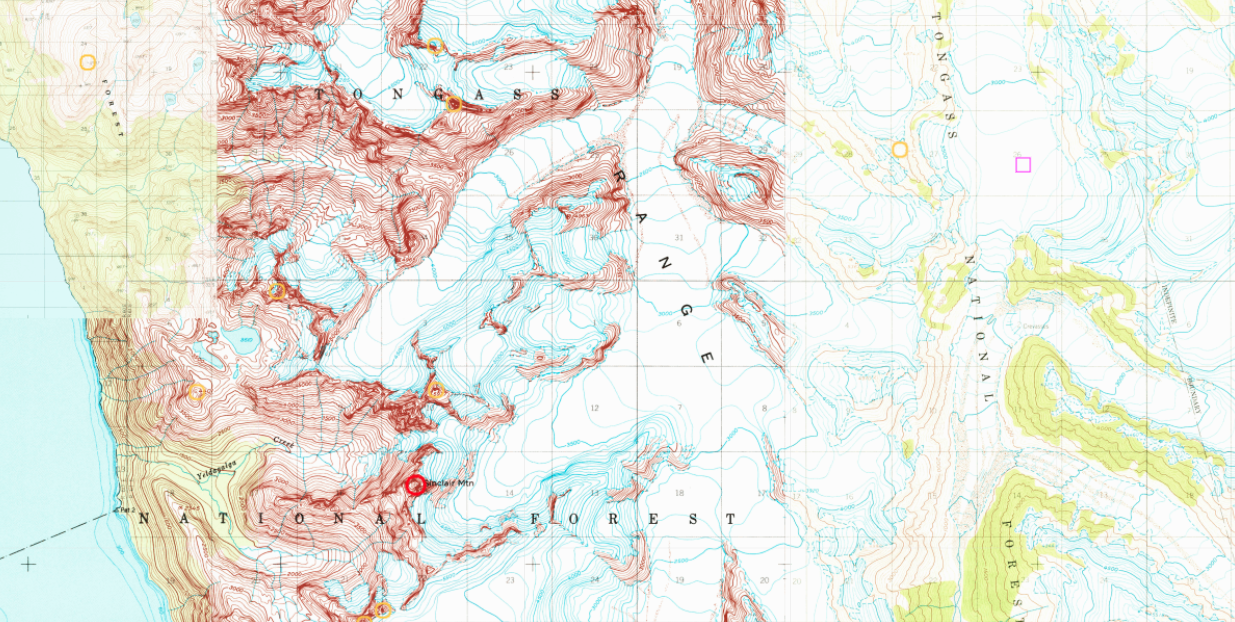
Prominence is defined as the vertical distance a given summit rises above the lowest col on the highest ridge connecting it to a higher summit. Or, put another way, it is the elevation difference between the summit of a peak and the lowest contour that contains the given peak and no higher peaks.
The ‘lowest col’ this definition it speaks about is call the ‘key col’. Here is another excerpt from Peakbagger’s glossary:
To find the key col for a peak, it is helpful to use the concept of a “ridgewak”. From the peak, you need to trace the lines that lead to higher peaks. Some summits will have drop-offs to river valleys on three sides and only one ridge leading to higher ground; other peaks might have two, three, or more ridges that eventually lead to higher ground. Of all possible ridgewalks leading to higher peaks, find the one with the highest low point. The low point of this ridgewalk is the key col.
Prominence, in the world of geography, does not match the colloquial use of the term. It is not based on how you, as a human being standing in a nearby valley, view a peak. But rather, it is an algorithm driven calculation with a specific purpose.
THE PURPOSE
The primary purpose of the metric is to define what is a ‘peak’ and what is a ‘sub-peak’. In other words, is that sharp point on the ridgeline a separate peak? Or does it rise above it’s other highpoints near it enough to be considered it’s very own ‘mountain’? The concept of distinguishing between sub-peaks and peaks is inherently human and flawed. Do you define it by geological formation? No, because then you would have whole ranges (or portions of a single mountain) defined as one. Some aspects of a peak may seem ‘prominent’ whereas others the mountain may blend into others. Geographical prominence is an attempt at using a universal, objective calculation to define something that is inherently subjective.
However, when applied regionally for the use-case of defining ‘high points’ it does it’s job. The value used for minimum prominence to be considered a standalone peak is completely dependent on the region and the subjectivity of those utilizing it. Because of this, that value threshold is also often changing.
For example, in the Canadian Rockies, mountaineers have created the list of the 50 highest peaks in the range, with the cut-off elevation of 11,000ft, which is already an arbitrary number. To be defined as a stand-alone peak for the purposes of this list, a mountain must have a minimum prominence of 300 feet. The original list, developed by Bill Corbett, included 54 mountains over 11,000ft. However, 4 of them have prominences between only 3-20ft, and have thus been cut from the updated list.
Prominence makes a lot of sense when your perspective is from a ridgeline on a mountain massif. By creating this cut-off number for what constitutes a peak and a sub-peak, you are trying to take what is a nuanced feature of nature and applying mathematical rules to define it. However, even within ranges like the Canadian Rockies, you have a huge variety in scale over a large area, so it’s not perfect.
So, the point here, is that using prominence as a stand-in for ‘vertical rise’ is not an appropriate use of the term. Similarly, utilizing summit altitude as a metric for the ‘size’ of a mountain is equally dubious. Anyone who is a mountaineer should be able to intuitively tell you why North Twin Peak (3,730m) is a much larger mountain with much larger vertical rise around it’s surroundings than Mt Elbert (4,401m) despite it’s lower elevation and prominence values.
ISOLATION
Another metric that is used often in conjunction with Prominence is Isolation. Isolation, put simply, is the horizontal distance between a peak and the next highest piece of land (not necessarily a peak). This is different than the vertical difference between a peak and it’s next highest neighbour, which is prominence.
EXAMPLES
To demonstrate why prominence being used as a metric of ‘vertical rise’ from a human perspective is silly, I’ll give a few extreme examples.
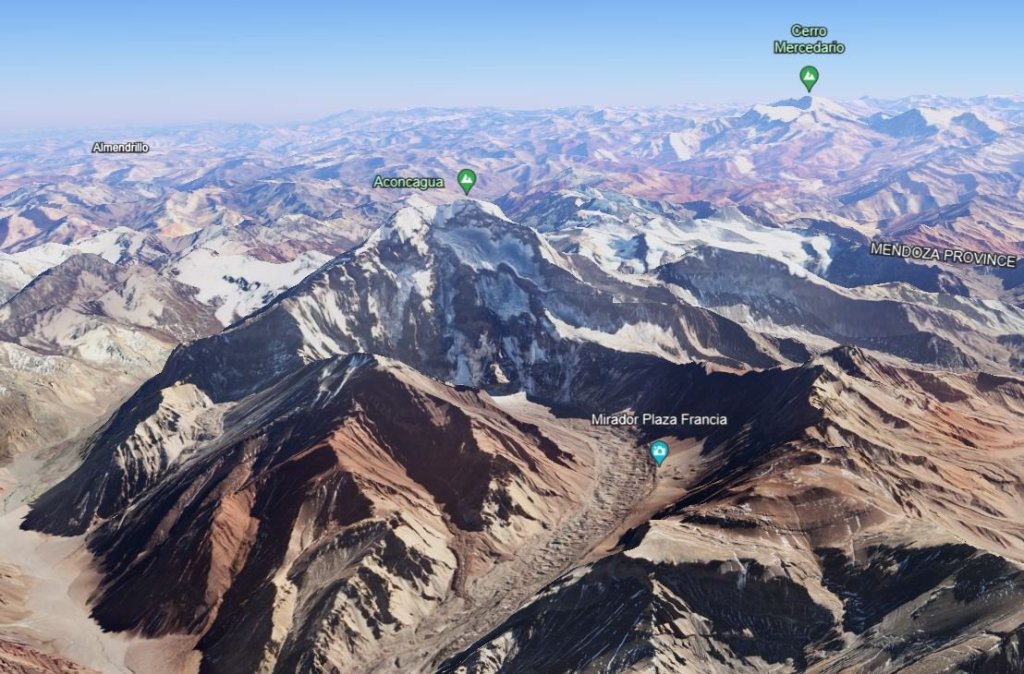
Take Aconcagua, the highest peak in South America, for example. It sits at 6962m. The valleys immediately surrounding it are anywhere from 2800-3500m, giving it a vertical rise above those surroundings of just over 4000m. The nearest communities on either side (West and East) are Los Andes (818m) ~60km away and Uspallata (1858m) ~63km away. Both of these towns sit in broad, flat basins in the front ranges of the Andes. From this perspective, the peak rises 6143m above Los Andes. Huge! However, the recorded prominence of the peak is 6962m, it’s elevation. Why is this? Because it’s parent peak (ie next highest peak) is Tirich Mir in the Himalayas, over 16000km away from Aconcagua. Making Aconcagua’s key col with it’s parent peak, the ocean.
Thus, it’s prominence is measured from sea level and it is an extremely ‘isolated’ peak. To someone who doesn’t understand these metrics, they would imagine a much more massive peak standing relatively alone over much lower surroundings. Obviously, Aconcagua IS a big mountain. But it does not rise 7000m above flat, sea level terrain.
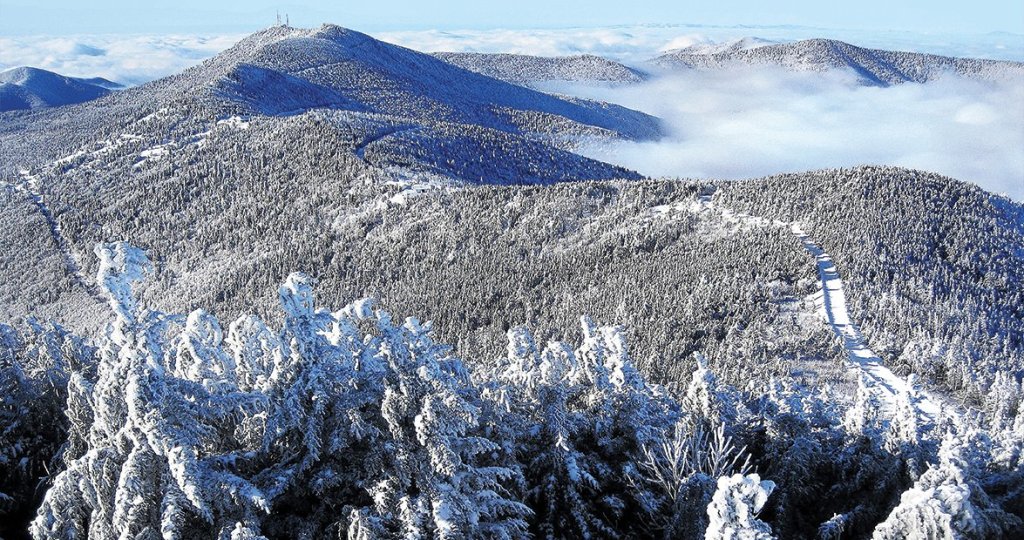
Another common misuse I see, is people from the Eastern US claiming their mountains may be lower elevation, but they’re bigger, because of the prominence values! Take Mt Mitchell in North Carolina for example. It sits at 2037m but has a prominence of 1856m. By all means, that paints a picture of a fairly large mountain! The kicker is, Mt Mitchell is another very isolated peak. Being 1900km away from it’s parent peak, Divide Mountain, all the way in Montana. And it’s key col? A canal in Chicago, about 800km away. Mt Mitchell’s surroundings are, at their lowest, a bit over 800m altitude. Giving it a vertical rise of around 1200m.
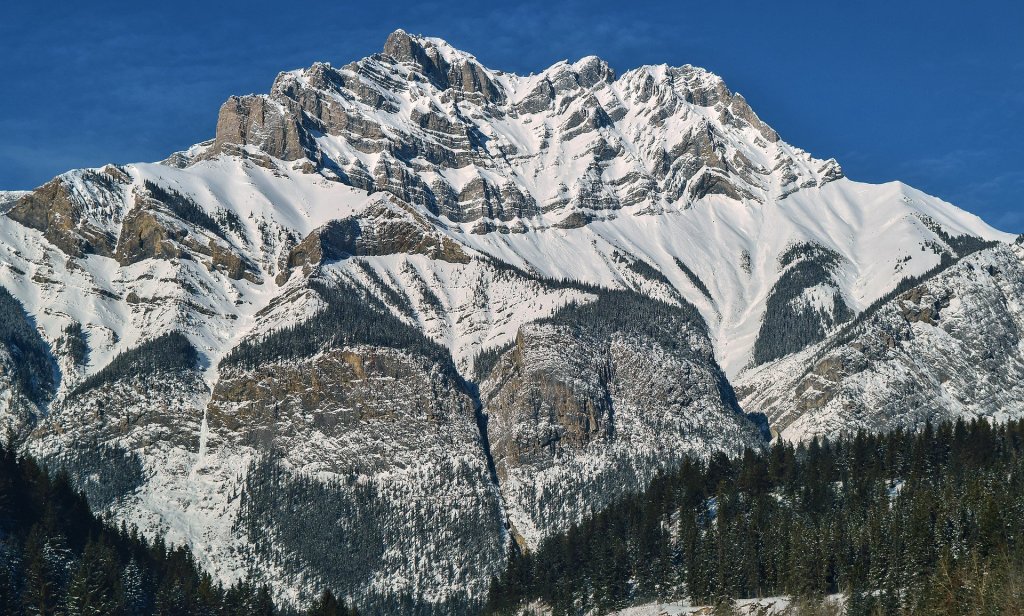
Compare that to Cascade Mountain (2998m) in Banff, with a ‘lowly’ prominence of 918m, but rises above the nearby town for over 1600m.
Or Ha Ling Peak (2407m), a simple sub-peak on the Mt Lawrence Grassi Massif near Canmore with a prominence of a measly 37m. It towers nearly 1100m above town. Or is often hiked by parking near it’s shoulder with a vertical gain of ~700m. When staring at it from nearly any aspect, you would be hard pressed to convince a layman that it is not a ‘prominent’ peak in the area.
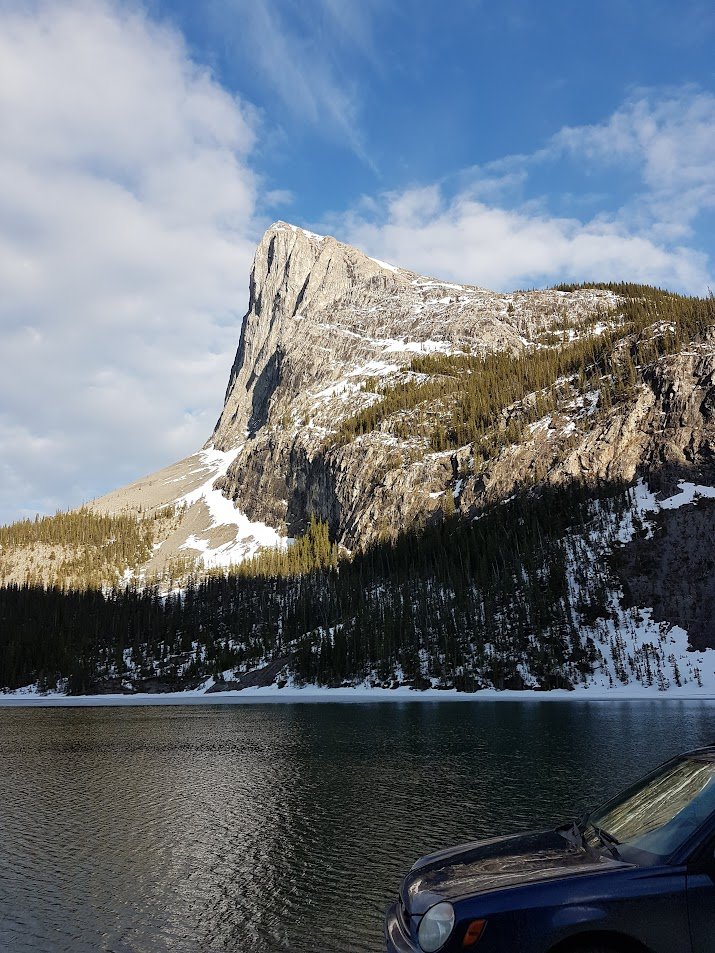
However, Ha Ling Peak is a pretty decent case study of ‘prominence’. It is one of 8 highpoints on the Mt Lawrence Grassi massif, with prominence levels of 37-120m. Based on the 50 highest peaks in the Rockies list, with a cut-off prominence of 300ft (~90m) only one of these lower highpoints would make the cut as a ‘separate peak’ and not just a sub-peak.
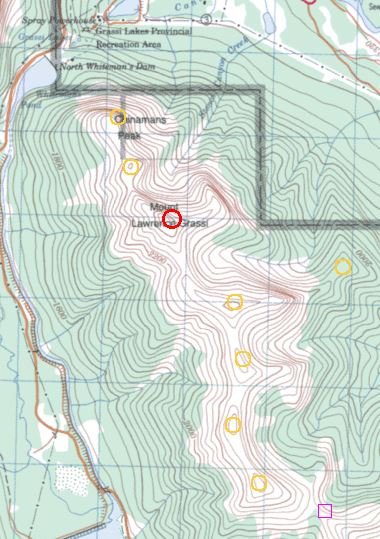
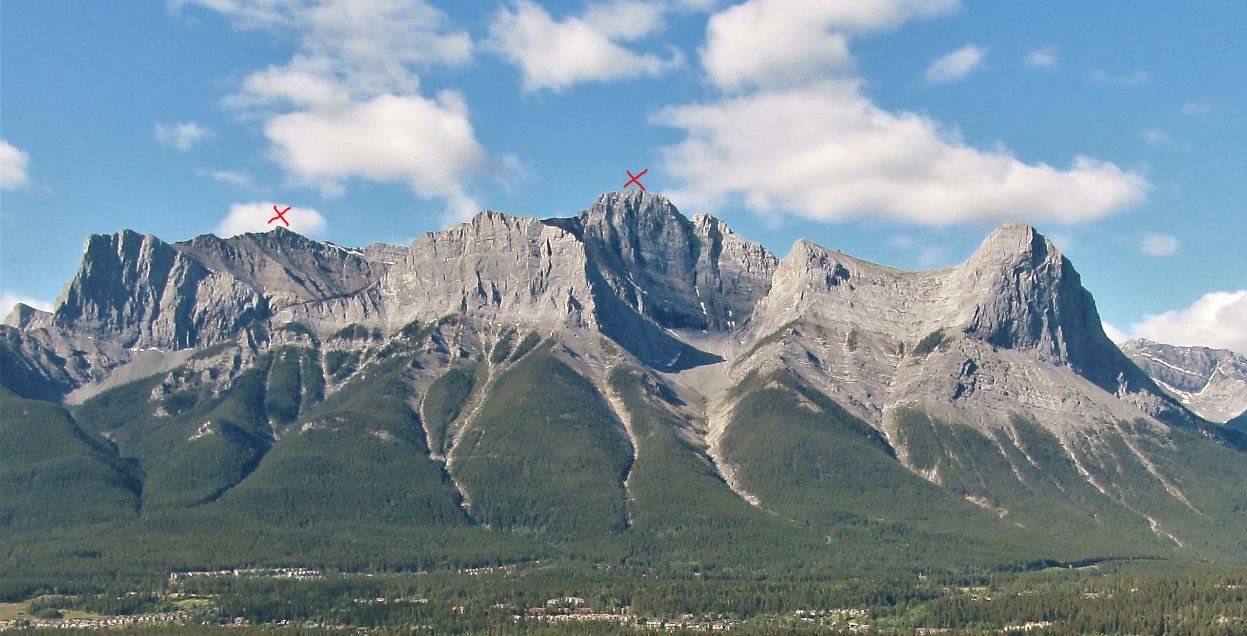
Based on the precedent set by the 11,000ers list, the two peaks with X’s (Mt Lawrence Grassi and Ship’s Prow Mountain) are the only two stand-alone peaks on the massif. It makes sense, in this case, to use the term prominence to describe how much each peak rises relative to each other, as they are all located on the same ‘massif’. One could argue the ‘peaks’ in the foreground of the massif are simply buttresses attached to the higher summits and that Ha Ling is just a small sub-peak on the shoulder of Lawrence Grassi. This is the niche that prominence fills. But even then, based on the subjective view of the recreationist, it doesn’t really mean much. Using it in place of vertical rise from the perspective of a human sitting in the valley or a climber on the NE Face of Ha Ling, would be obviously incorrect.

